

Source: energy-storage.news

Negara pulau Mauritius dan Barbados telah memulakan proses perolehan tenaga boleh diperbaharui yang melibatkan penyimpanan tenaga.
Sama seperti kawasan pulau lain di seluruh dunia, kedua-dua negara bergantung pada pengimportan bahan api fosil pada kos yang tinggi untuk memenuhi permintaan tenaga mereka dan telah melihat storan tenaga dipasangkan dengan tenaga boleh diperbaharui, terutamanya PV solar, sebagai penyelesaian.
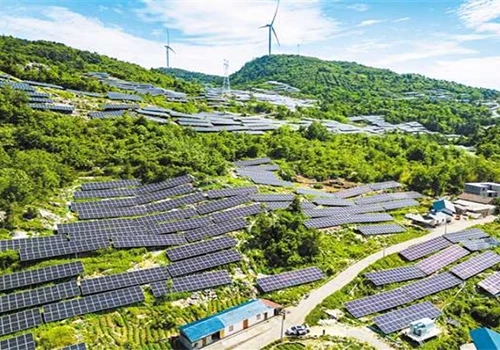
The Central Electricity Board (CEB) of Mauritius in East Africa issued a request for proposal (RfP) last week for the purchase of electricity from hybrid renewable energy facilities, defined in this instance as solar PV-plus-battery storage.
The CEB, a government-owned and operated power generation and distribution agency, has mempelawa tawaran tertutup daripada bakal pembida. The board plans to sign agreements for purchasing between 90MW to 110MW electricity.
Perjanjian pembekalan dan pembelian tenaga (ESPA) model dijangka tersedia kepada pembida dalam tempoh sebulan selepas RfP dibuka dan pembida mempunyai masa sehingga 22 Jun 2022 untuk menyerahkan bidaan.
Also advertising for international bidding a few days ago was another CEB RfP for purchase of electricity from small scale renewable energy hybrid facilities, this time seeking to procure 30MW to 50MW.
CEB membina sistem bateri berskala-grid pertama di Mauritius pada 2018, dengan sokongan pembiayaan daripada Dana Iklim Hijau (GCF) pelbagai hala, yang sehingga kini menyokong projek berbilion dolar di 150 negara.
In Mauritius, the GCF part-funded the battery systems as part of a raft of measures to mempercepatkan pembangunan-tenaga karbon yang rendah in the country, which meets 84 percent of its primary energy requirements with imported fossil fuels.
Coal and fuel oil imports in particular have been feeding rising greenhouse gas emissions (GHGs) but the country it targeting for renewable energy to provide 35 percent of its energy demand by 2025 and then 60 percent by 2030.
After that first pair, which were each of 2MW power output and 1.12MWh capacity and built at two substations, a 14MW battery energy storage system (BESS) project split across four CEB substations was commissioned through the GCF programme late last year, also supported by the United Nations Development Programme.
Projek 14MW, dibahagikan kepada tiga tapak 4MW dan satu tapak 2MW, memerlukan bajet kira-kira AS10 juta untuk disiapkan. Siemens France membekalkan BESS, yang digunakan untuk perkhidmatan sampingan peraturan frekuensi.
CEB general manager Jean Donat said at the time that project was inaugurated that the era of renewable energy optimisation "is well on the way," in Mauritius, with the board having integrated more than 100MW of solar PV into the grid by then.
The country's government said in 2020 that it was committing funds to increase battery deployments to 40MW in a 2021-2022 budget announcement.
Bahan api fosil yang diimport membahayakan ekonomi pulau sambil mencemarkan
Meanwhile the Caribbean island of Barbados is targeting 100 percent renewable energy use and carbon neutrality by 2030 and — as was the case with the UNDP's assessment of Mauritius — the government has described renewables with storage as a powerful way of democratising energy.
In seeking to create a framework for the procurement of renewable energy and/or energy storage, the Inter-American Development Bank (IDB) is hosting a competitive solicitation for consultancy services to help develop it.
Issued a few days ago, interested parties have until 4 April 2022 to respond. The project is called "Support for the Design of Carbon Neutral Strategies in the Context of Energy Transition in Barbados".
Ia menawarkan kontrak tujuh bulan untuk perkhidmatan perundingan dengan anggaran belanjawan sebanyak US200,000.
According to the IDB's summary, the island, with 280,000 inhabitants, imports fossil fuels for over 90 percent of its energy needs and in 2018 its fuel import bill stood at US253 million. Only 5.5 percent of electricity sold in the country came from renewable sources, abut 3.5 percent from rooftop solar PV and 2 percent from its sole 10MW utility-owned solar farm.
As well as the high cost of fuel, the impact can be felt in damage to Barbados' natural habitat, which as an economy dependent on tourism also has a knock-on economic effect.
Dalam peralihan sektor tenaga, Kementerian Tenaga dan Pembangunan Perniagaan kerajaan perlu mendapatkan kapasiti tenaga boleh diperbaharui yang besar, oleh itu rangka kerja perlu disediakan.